Valve Cover Gasket: Symptoms, Replacement Cost & Everything You Need to Know
If your car smells like burning oil or you notice oil spots under the hood, chances are you’re dealing with a valve cover gasket problem. In this guide, we’ll cover everything — from valve cover gasket leak symptoms to valve cover gasket replacement cost — so you can make the right decision for your engine.
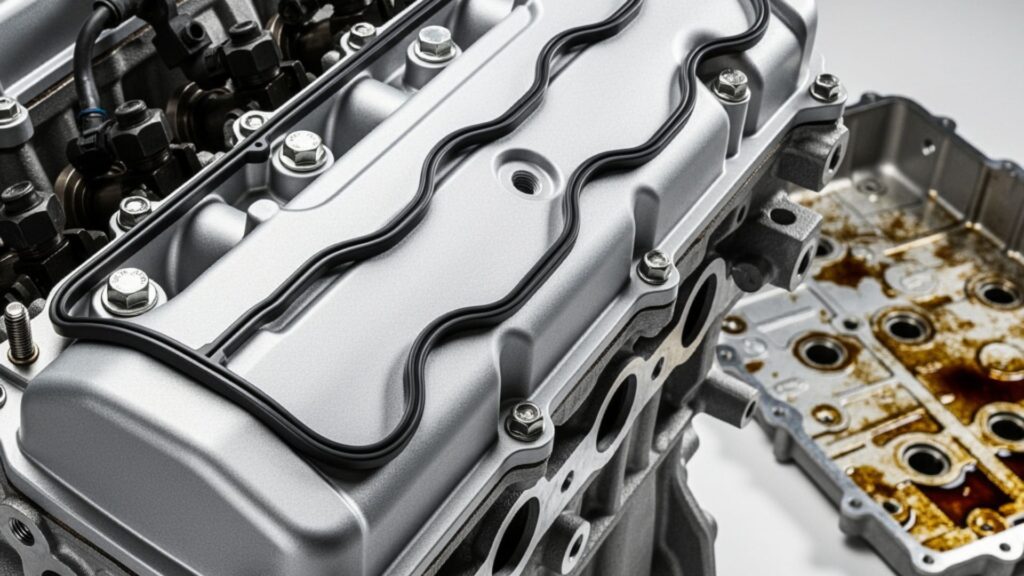
Let me be honest with you — when I first heard the words “valve cover gasket,” I had absolutely no idea what that meant. It sounds technical, maybe even a little scary. But after going through the whole process myself, I can tell you it’s one of those car repairs that sounds more complicated than it actually is. Whether you’re here because your mechanic just told you that you need a valve cover gasket replacement, or because you noticed something weird going on under the hood — this guide is going to walk you through everything in plain, simple language. No jargon. No fluff. Just what you actually need to know.
What Exactly Is a Valve Cover Gasket?
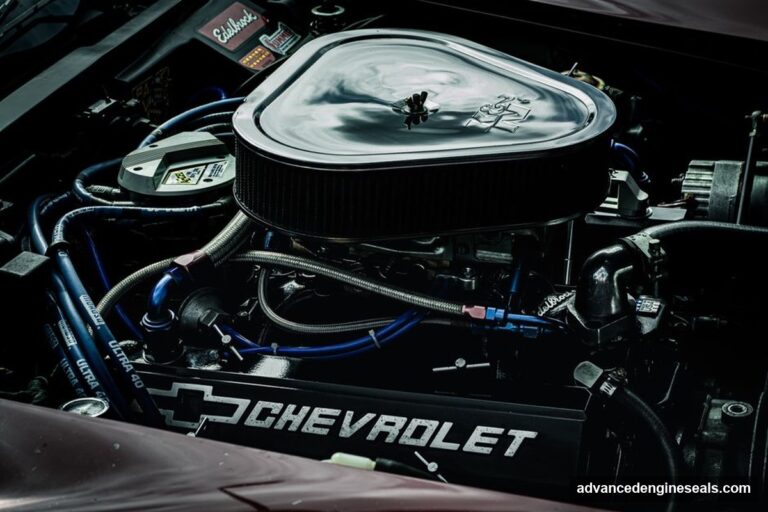
Think of your engine like a busy kitchen. There’s oil constantly moving around, keeping everything lubricated and running smoothly. The engine valve cover gasket is basically the seal that sits on top of the engine, between the valve cover and the cylinder head. Its only job is to make sure the oil stays inside where it belongs — and keeps dirt, dust, and debris from getting in.
It’s usually made of rubber, silicone, or cork, and honestly, for a small part, it does a really important job. The problem is that over time — because of constant heat cycles, engine vibrations, and just plain old age — this gasket starts to harden, crack, or warp. And when that happens, oil starts finding its way out.
Most cars start developing this problem somewhere around 60,000 to 100,000 miles. Some last longer, some fail earlier — it really depends on how the car was maintained, the climate you drive in, and sometimes just plain luck.
Good news: catching a valve cover gasket leak early is one of the best things you can do for your engine. A $150 fix today can easily prevent a $2,000+ repair down the road.
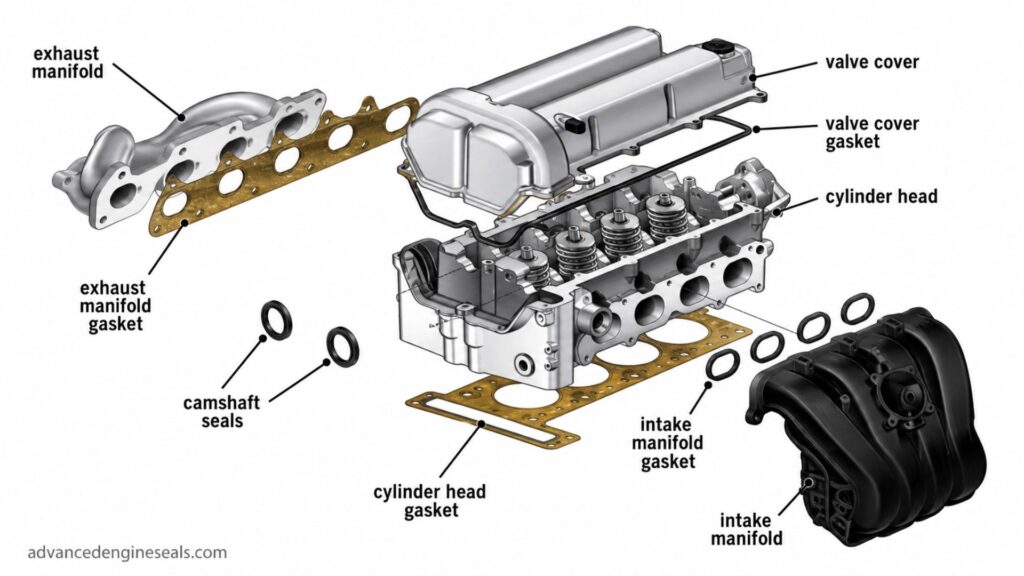
Valve Cover Gasket Leak Symptoms You Should Never Ignore:
Here’s the thing about a valve cover gasket leak — it rarely screams for attention. It whispers. The symptoms are subtle at first, and a lot of people brush them off or don’t connect the dots. Let me walk you through the most common valve cover gasket leak symptoms so you know exactly what to look for.
1. That Burning Oil Smell
This is usually the first thing people notice. You get back in your car after a drive and there’s this distinct, unpleasant burning smell — kind of like something is cooking under the hood. That’s exactly what’s happening. Oil is leaking out and dripping onto hot engine parts like the exhaust manifold. It burns off, creates that smell, and sometimes even produces a little smoke. If you’re experiencing this, a valve cover gasket leak is one of the most likely culprits.
2. You Can See Oil Around the Engine
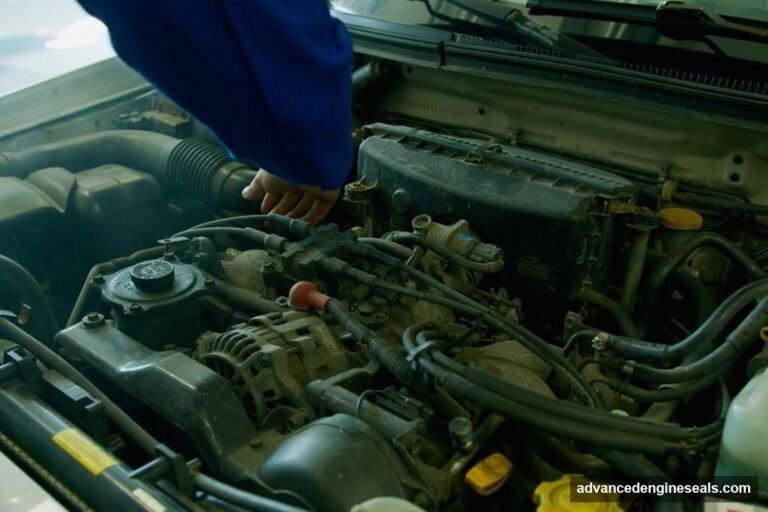
Pop your hood and take a look at the top of the engine. Do you see oil pooled up, or a greasy, dirty buildup on the sides of the engine block? That’s a pretty clear sign. A healthy engine shouldn’t have visible oil leaking on the outside. If it looks like the engine has been “sweating” oil, your valve cover gasket deserves a closer look.
3. Your Oil Level Keeps Dropping
If you’re topping up your oil more frequently than usual — and there are no puddles of oil on the ground where you park — the oil could be leaking in a spot where it burns off before it ever hits the pavement. A slow valve cover gasket leak can quietly drain your oil level without leaving any obvious evidence. Always check your oil level if you notice any other symptoms on this list.
4. The Check Engine Light Comes On
This one surprises a lot of people. How can a gasket leak trigger the check engine light? Well, if oil leaks onto sensors or other electronic components near the top of the engine, it can interfere with their readings and trigger a warning light. It’s not the most common symptom, but it does happen — especially if the leak has been going on for a while.
5. Engine Misfires or Rough Running
This is a more serious symptom. Some engines have spark plug tubes that pass directly through the valve cover area. If oil leaks into those tubes and gets on the spark plugs, you’ll start to feel the engine running rough — misfiring, hesitating, or losing power. If this is happening, don’t wait. Get it checked immediately.
6. Smoke Coming from the Engine Bay
If you actually see smoke — not steam, but actual smoke — rising from under the hood after you’ve been driving, that’s oil burning off on hot engine parts. At this stage, the leak has likely been going on for some time. Pull over safely, let the engine cool, and get it inspected before driving further.
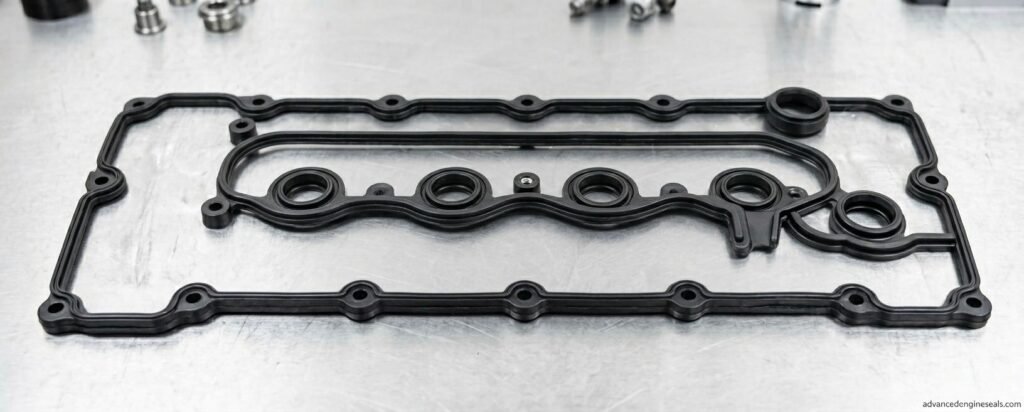
Important: Many of these symptoms can point to other issues too. A proper diagnosis from a mechanic is always the safest bet before you start replacing parts.
Valve Cover Gasket Replacement Cost — What Are You Really Looking At?
This is the part everyone wants to know. And honestly, the answer is: it depends — but it’s usually not as bad as people fear.
The valve cover gasket replacement cost is influenced by a few key factors: the make and model of your car, whether you have a 4-cylinder, V6, or V8 engine, your location, and whether you go to a dealership, an independent shop, or do it yourself. Let’s break it all down
| Where You Go | Parts Cost | Labor Cost | Total Estimate |
|---|---|---|---|
| DIY (Do It Yourself) | $10 – $60 | $0 | $10 – $60 |
| Independent / Local Shop | $15 – $80 | $75 – $200 | $90 – $280 |
| Dealership | $20 – $120 | $150 – $400 | $170 – $520 |
| Luxury / European Cars | $60 – $200 | $200 – $600 | $260 – $800+ |
For most regular cars — your Toyota Camry, Honda Civic, Ford F-150, Chevy Silverado type vehicles — the cost to replace valve cover gasket at an independent shop will typically land somewhere between $100 and $250. That’s a very manageable repair. Dealerships charge more, largely because of higher labor rates and OEM parts markups.
Where to Buy a Valve Cover Gasket at the Cheapest Price
You don’t need to pay dealership prices for a quality valve cover gasket. These trusted platforms offer genuine and aftermarket gaskets at much lower rates — sometimes up to 60% cheaper than a dealer. Here are the best places to shop right now:
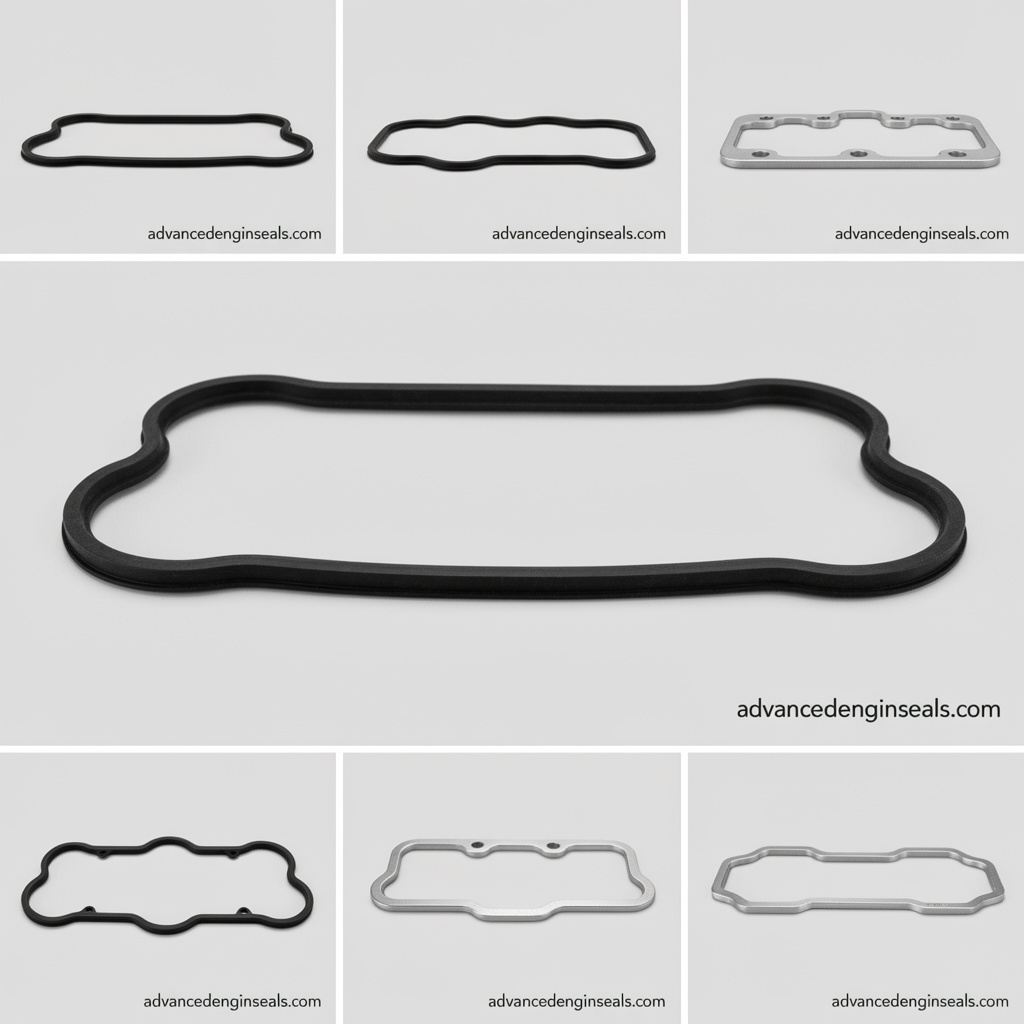
eBay — BMW 320i
Best Deals
Large selection of BMW 320i cylinder head valve cover gaskets — both OEM and aftermarket. Great for finding competitive prices from multiple sellers.
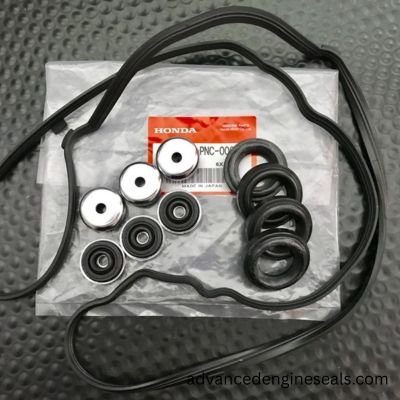
Amazon — BMW 328i
Fast Shipping
Valve cover gasket for BMW 328i engine — available with Prime shipping. Easy returns and buyer protection make this a safe choice for DIYers.
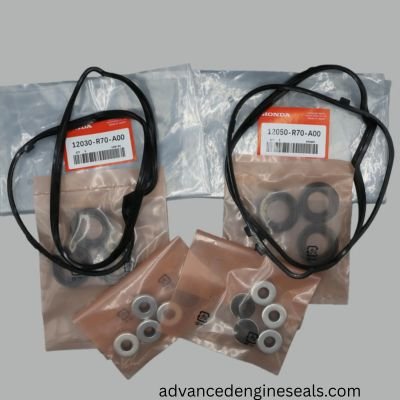
BMW Direct Parts
OEM Genuine
Official OEM BMW valve cover gasket set (Part #11127587804). If you want the exact factory part for your BMW, this is the most reliable source.
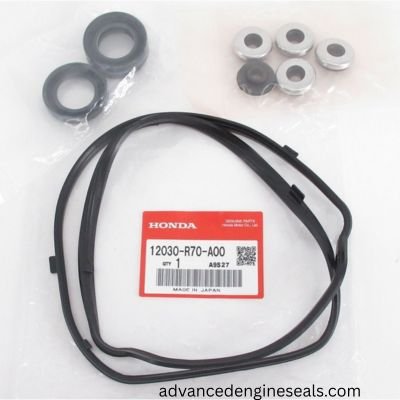
Budget Pick
eBay — Single Listing
A specific eBay listing for a valve cover gasket at a competitive price. Good option if you want to save money without compromising on a basic seal job.
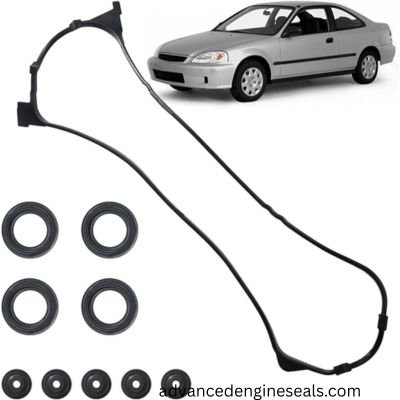
Toyota OEM Parts
Genuine Toyota
Official Toyota valve cover gasket (Part #11213-25020) from Lakeland Toyota. Perfect fit guaranteed for Toyota owners — no guessing on compatibility.
Pro tip: Always double-check your engine code before ordering. The same car model can have different engines in different years, and the gasket won’t fit if it’s not matched correctly. When in doubt, go OEM — it costs a little more but fits perfectly every time.
Can You Do Valve Cover Gasket Replacement Yourself?
Short answer: yes, on many cars you absolutely can. And if you’re even a little bit mechanically inclined, it’s a great way to save $75 to $200 in labor costs.
On most 4-cylinder engines, the valve cover is sitting right there on top — visible, accessible, and not buried under a bunch of other components. The job basically involves unbolting the cover, peeling off the old gasket, cleaning the mating surfaces, and dropping in the new one. If you’ve ever changed a tire or replaced a battery, you have the confidence level needed for this job.
That said, not every engine is DIY-friendly. V6 engines where one valve cover is buried at the back of the engine bay, or modern turbocharged engines with lots of components crowded around the top — those can turn a “simple” job into a two-hour frustration session. Know your engine before you commit.
What You’ll Need
- A complete valve cover gasket set or valve cover gasket kit matched to your specific engine (always verify by VIN or engine code)
- Socket and ratchet set (typically 8mm to 12mm for valve cover bolts)
- Torque wrench — this part matters, we’ll come back to it
- Plastic gasket scraper or a flat trim tool
- Brake cleaner and clean rags for surface prep
- Valve cover gasket sealant (RTV silicone) for specific applications
- A repair manual or a good YouTube tutorial specific to your car model
The One Mistake Most DIYers Make
Over-tightening the bolts. It’s the most common mistake, and ironically, it often causes the very leak you’re trying to fix. Valve cover bolts have a specific torque spec — usually somewhere between 6 and 10 foot-pounds — and going beyond that can crack the valve cover or deform the gasket. Always use a torque wrench and look up the exact spec for your engine. It takes two extra minutes and saves you a lot of headaches.
Final Thoughts
Here’s what I want you to take away from all of this: a leaking engine valve cover gasket is not the end of the world. It’s a common, fixable problem that millions of car owners deal with every year. The key is not to panic, not to ignore it, and to address it sooner rather than later.
If you’re mechanically comfortable, grab a quality valve cover gasket kit, pick up some valve cover gasket sealant if your engine calls for it, and take your time doing the job right. If you’d rather have a professional handle it, shop around for quotes — independent shops will almost always beat dealership pricing, and many do equally good work.
Either way, now you understand exactly what you’re dealing with. You know the valve cover gasket leak symptoms to watch for, a fair estimate of the valve cover gasket replacement cost, and what goes into the repair. That knowledge alone puts you in a much better position — whether you’re negotiating at a shop or turning wrenches in your own driveway.
Take care of that engine, and it’ll take care of you.


nice