Oil Pan Gasket Leak Symptoms: Diagnosis, Replacement Cost & Repair Guide (2026)
Rewrite an article draft about oil pan gasket leak symptoms.
Friendly master auto mechanic (conversational, simple, clear, authoritative).
Oil Pan Gasket Leak Symptoms: Diagnosis, Replacement Cost & Repair Guide (2026)
It is a scene every car owner dreads: you walk out to your driveway on a sunny morning, expecting nothing, only to find a dark, shimmering puddle of oil resting directly beneath your engine. Your heart sinks. Is it a catastrophic engine failure? Is your car about to seize up on the highway?
In most cases, the culprit isn’t a broken engine block, but a failed seal. Specifically, you are likely looking at oil pan gasket leak symptoms that have finally reached a visible stage. While an oil pan gasket is one of the more “unexciting” parts of your engine, it plays a massive role in keeping your lubrication system working. A leak here might start as a tiny, slow weep, but if you ignore it, it can lead to low oil pressure, overheating, and ultimately, a destroyed engine that costs thousands to replace.
In this guide, I’m going to walk you through how to spot these leaks, how to tell them apart from more expensive problems, what you can expect to pay, and how to handle the repair yourself if you’ve got the tools and the patience.
What Exactly is an Oil Pan Gasket?
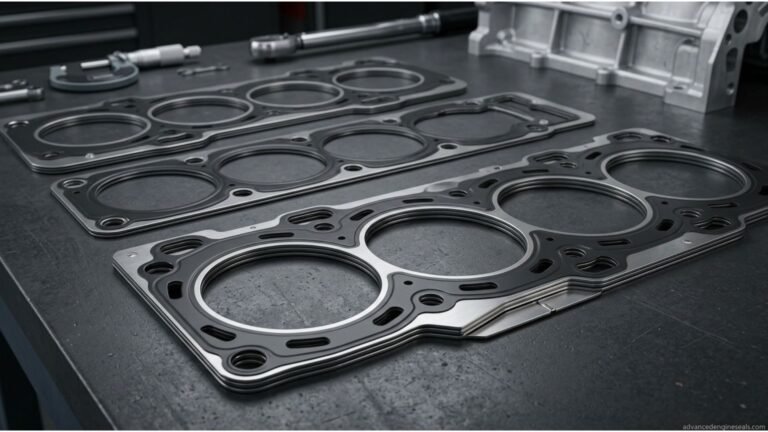
Before we get into the nitty-gritty, let’s talk about what we are actually looking at. The oil pan (sometimes called a sump) is that metal reservoir at the very bottom of your engine that holds the oil your engine needs to stay lubricated. The gasket is the seal placed between the bottom of the engine block and that oil pan.
Depending on what kind of vehicle you drive, this seal might look different:
* A pre-formed rubber or silicone gasket: This is very common in most domestic trucks and Japanese cars. It’s a physical ring that sits between the two metal surfaces.
* Liquid Gasket (RTV): A lot of modern cars, especially European models, don’t use a physical gasket at all. Instead, the factory applies a bead of high-temperature RTV (Room Temperature Vulcanizing) silicone during assembly.
* Metal or Composite Gaskets: You’ll see these more often in heavy-duty diesel engines or older, high-performance machines.
When these materials get old, brittle from heat, or get chewed up by chemicals in the oil, the seal fails. Once that seal breaks, your oil starts its slow escape.
Common Oil Pan Gasket Leak Symptoms
Because the oil pan is located at the lowest point of the engine, identifying the leak can be a little tricky. You might see oil on the ground, but that doesn’t always tell the whole story. Here are the main oil pan gasket leak symptoms you need to watch for.
1. Visible Oil Puddles Under the Vehicle
This is the most obvious sign. If you see a dark brown or black puddle forming specifically under the center or the rear of the engine bay, the oil pan is your prime suspect. Unlike a coolant leak, which is usually bright green, pink, or orange, an oil leak will be thick, greasy, and have that distinct petroleum smell.
2. The “Burning Oil” Smell
If you don’t see a puddle immediately, keep your nose sharp. If you smell something acrid or “burnt” while driving, you might have a leak. This happens when a small amount of oil escapes the gasket and drips onto hotter components, like the exhaust manifold or the exhaust pipe. The oil literally cooks on the hot metal, sending a smoky, stinky cloud into your cabin through the vents.
3. Smoke from the Engine Bay
A little bit of wispy smoke might just be the smell I mentioned above, but heavy smoke is a major red flag. If oil is leaking heavily enough to spray or drip directly onto the exhaust, you will see smoke billowing from under the hood. If you see this, pull over and check your oil level immediately.
4. Low Oil Pressure or Oil Level Warnings
As a leak goes from a “seep” to a “flow,” your oil level will drop. Most modern cars have sensors to warn you when the oil is getting low. If you find yourself having to top off your oil every single week, you definitely have a leak. If that oil pressure light flickers on your dashboard, stop driving immediately. That means your engine isn’t getting enough lubrication, and you could ruin it in minutes.
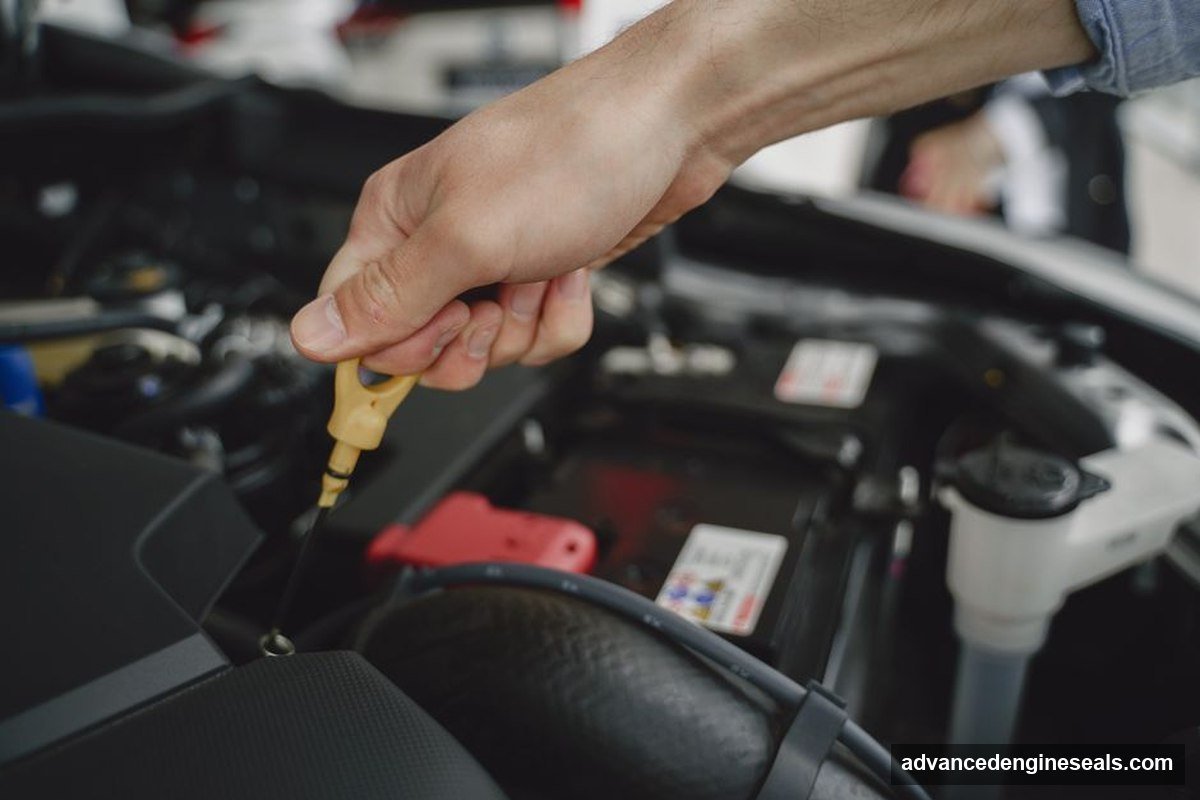
Pro tip: Always check your oil level using the dipstick before assuming a leak is “massive.” A small drip over a long period can drop the level significantly, but it doesn’t always mean the pan is cracked or the leak is an emergency.
How to Diagnose: Is it the Pan or Something Else?
One of the biggest mistakes I see DIYers make is assuming every leak from the bottom of the engine is an oil pan gasket issue. That is a mistake that can cost you a lot of money. Some other leaks are much harder (and more expensive) to fix.
To properly diagnose the issue, follow my professional “Clean, Inspect, Verify” workflow:
- Clean the Area: Grab a can of brake cleaner and a clean rag. Thoroughly clean the bottom of the engine and the oil pan. You need to remove all that old, baked-on, nasty oil so you can see exactly where the fresh oil is emerging.
- The Flashlight Test: Get a bright LED flashlight. Position it behind the oil pan, shining it upward toward the engine block. Look specifically at the seam where the pan meets the engine. If you see “wetness” or “weeping” right at that seam, you’ve found your culprit.
- Rule Out the Rear Main Seal: This is the big one. The rear main seal is located behind the flywheel, much higher up than the oil pan. If you see oil coming from the area where the engine meets the transmission, it’s likely the rear main seal. That is a much bigger job than an oil pan.
- Rule Out the Oil Filter: Sometimes, a “leaking pan” is actually just a loose oil filter or a bad crush washer on the drain plug. Check those first before you start taking the engine apart.
For more technical details on how oil pressure and lubrication systems work, you can check out the technical standards provided by SAE International.
Cost Breakdown: DIY vs. Professional Repair
The cost of fixing this varies depending on how much work you want to do yourself.
| Repair Type | Estimated Parts Cost | Estimated Labor Cost | Total Estimated Cost |
|---|---|---|---|
| DIY Repair | $30 – $80 | $0 (Your time) | $30 – $80 |
| Professional (Local Shop) | $60 – $120 | $150 – $350 | $210 – $470 |
| Professional (Dealership) | $100 – $200 | $300 – $600+ | $400 – $800+ |
Note: These are estimates for 2026. Keep in mind that on some modern vehicles, the oil pan is hard to get to. You might have to remove the subframe or the steering rack just to reach it, which can easily double or triple the labor cost.
DIY Guide: Replacing an Oil Pan Gasket
If you have a basic socket set, a torque wrench, and a little bit of grit, this is a very doable job.
Tools and Supplies Needed
- New Oil Pan Gasket (or high-quality RTV sealant if your car uses liquid)
- Drain pan and fresh engine oil
- New drain plug washer (don’t reuse the old one!)
- Socket set and extensions
- Torque Wrench (This is not optional!)
- Gasket scraper (plastic is safer for aluminum pans)
- Brake cleaner and shop rags
Step-by-Step Instructions
1. Drain the Oil
Never, ever try to pull an oil pan off while it’s full of oil. You’ll end up with a massive mess and a ruined workspace. Place your drain pan underneath, remove the drain plug, and let it drain completely.
2. Remove the Pan Bolts
Using your sockets, remove the bolts holding the pan to the engine. Some might be tucked away behind other parts, so take your time. I always recommend working in a “star pattern” (skipping a bolt as you go) to make sure you’re releasing tension evenly.
3. Separate the Pan
Once the bolts are out, gently pry the pan away from the block. Listen to me on this one: Do not use a screwdriver to pry against the engine block itself. If you gouge the aluminum engine block, you’ve just created a permanent leak path that a new gasket won’t fix. Use a plastic pry tool or a piece of wood to spread the pressure.
4. Meticulous Cleaning (The Most Important Step)
Here is the secret: a leak-free repair isn’t about the new gasket; it’s about how clean the surfaces are. Use your scraper to remove every single bit of the old gasket. Then, use brake cleaner to wipe the mating surfaces of both the engine block and the pan until they are surgically clean and dry. If there is even a tiny bit of old oil or grit left, the new seal will fail.
5. Install the New Gasket
- If using a physical gasket: Carefully seat it on the pan or the block. Read your service manual to see which one it goes on.
- If using RTV: Apply a continuous, even bead of sealant. Don’t make it too thick. If the bead is huge, pieces can break off and get sucked into your oil pickup tube, which will kill your engine.
6. Reinstall and Torque
Put the pan back in place. Put the bolts in by hand first—if you feel resistance immediately, stop! You might be cross-threading them.
Pro tip: Always use a torque wrench. Over-tightening oil pan bolts is the number one reason people have to do this job twice. Most pan bolts are very loose—often only 8 to 15 ft-lbs. If you crush the gasket, it won’t seal.
7. Refill and Test
Put in a new drain plug washer, fill it with fresh oil, and start the engine. Let it idle for a few minutes and keep that flashlight handy to check for any weeping.
Top Recommended Replacement Brands & Products
Don’t be tempted by those $5 gaskets you see online. If you want this job to stay fixed, use the good stuff.
### Fel-Pro Replacement Gaskets
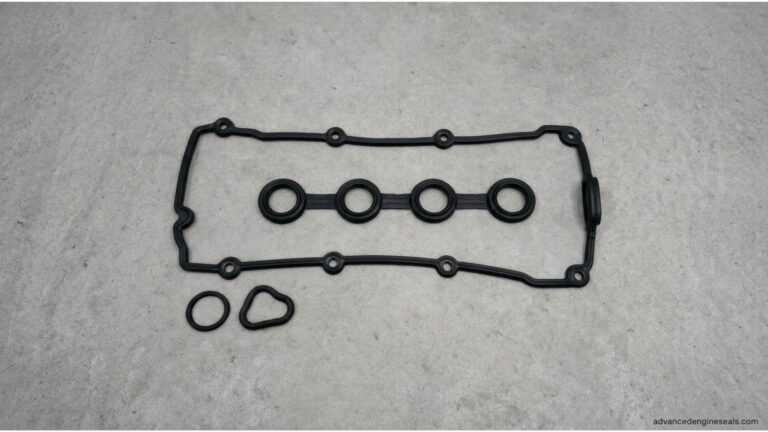
- Why It Stands Out: Fel-Pro is the king of the aftermarket. They make incredible gaskets that are often better than the original factory ones because they are designed to compensate for the slight imperfections in older, high-mileage engines.
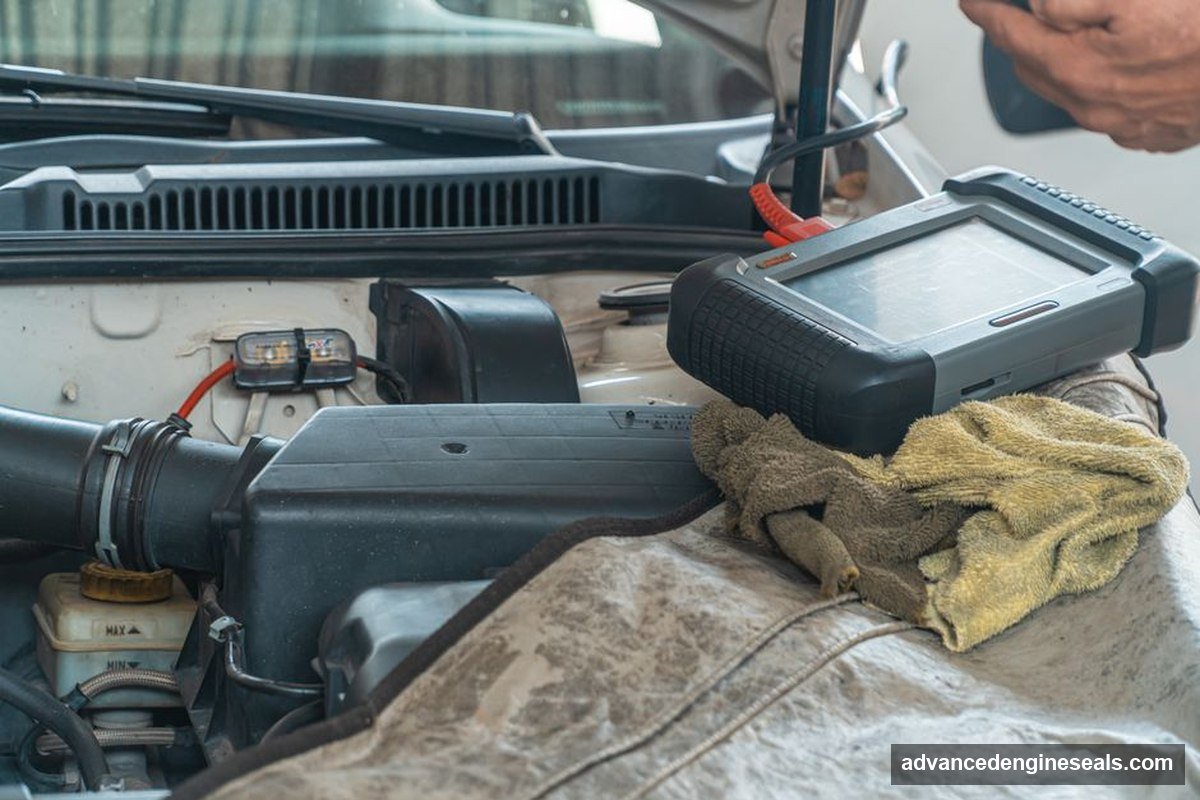
Inspecting engine for Oil Pan Gasket Leak Symptoms
### Victor Reinz Formed Seals
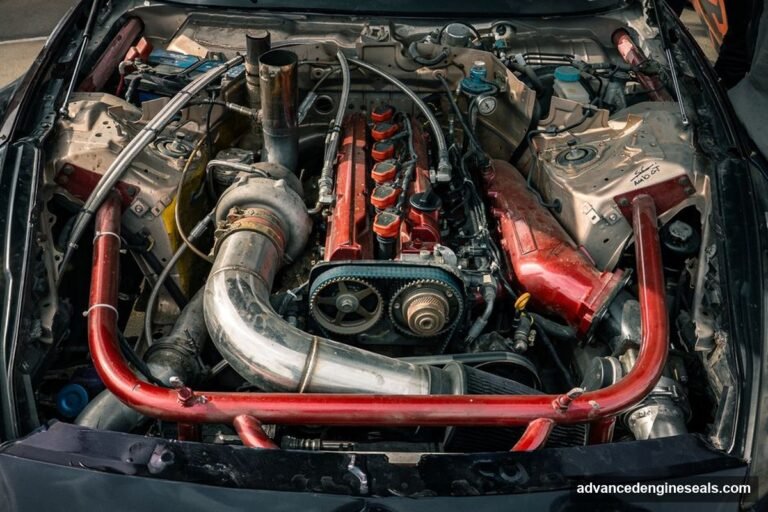
- Why It Stands Out: If you are working on a European car (like a BMW or a VW), Victor Reinz is often the brand the factory uses. They are the closest you can get to an OEM part.
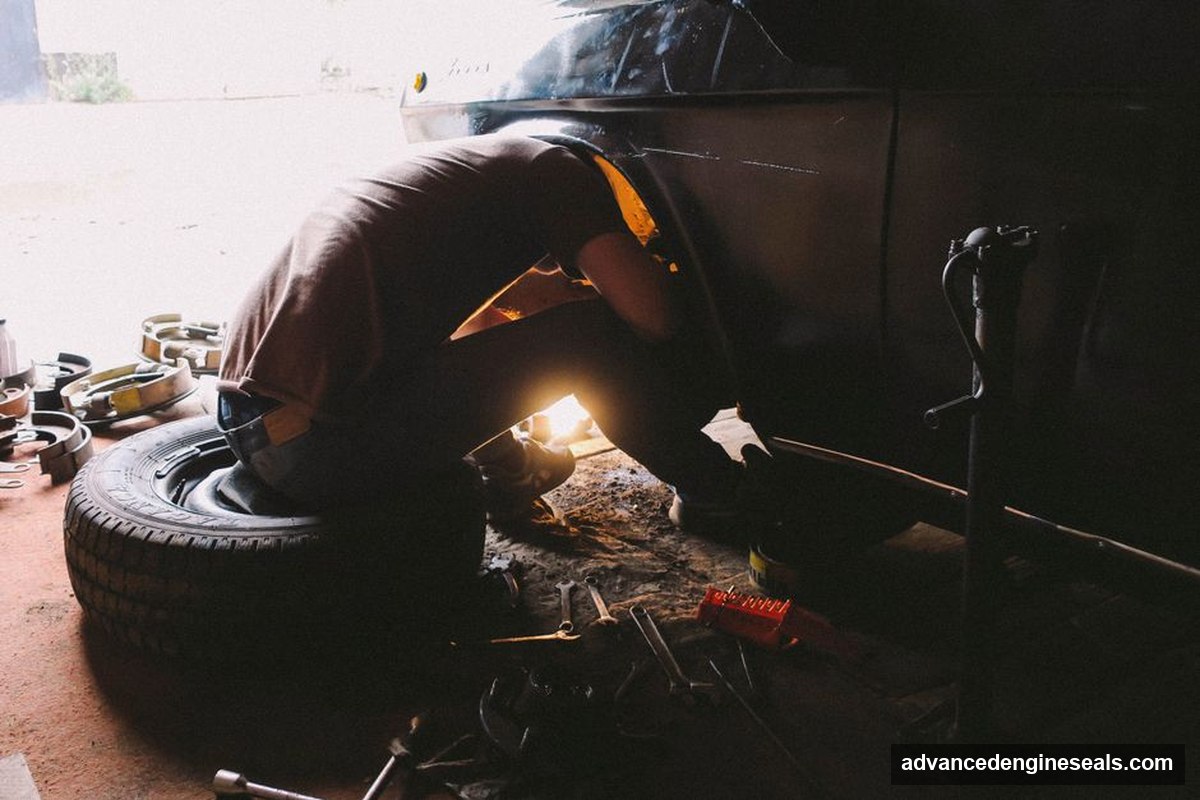
High performance seal and Oil Pan Gasket Leak Symptoms
### Permatex Ultra Grey RTV
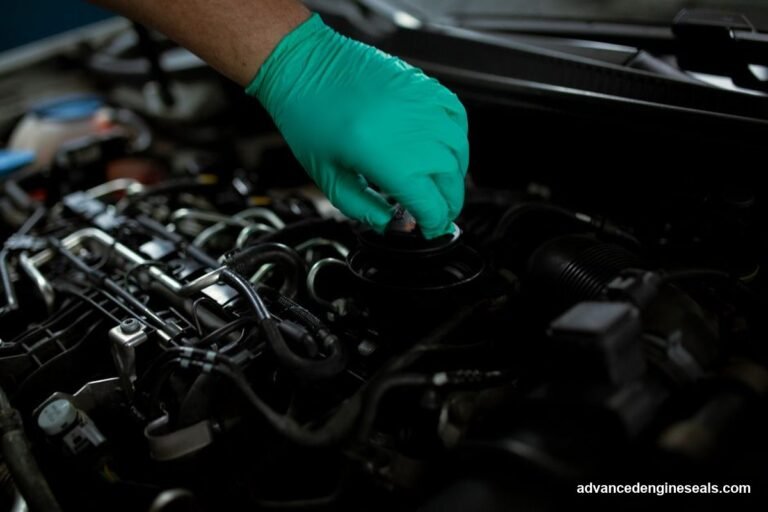
- Why It Stands Out: For the engines that don’t use a physical gasket, Permatex Ultra Grey is my go-to. It’s specifically made for high-torque, high-heat environments and stays flexible even when things get hot.
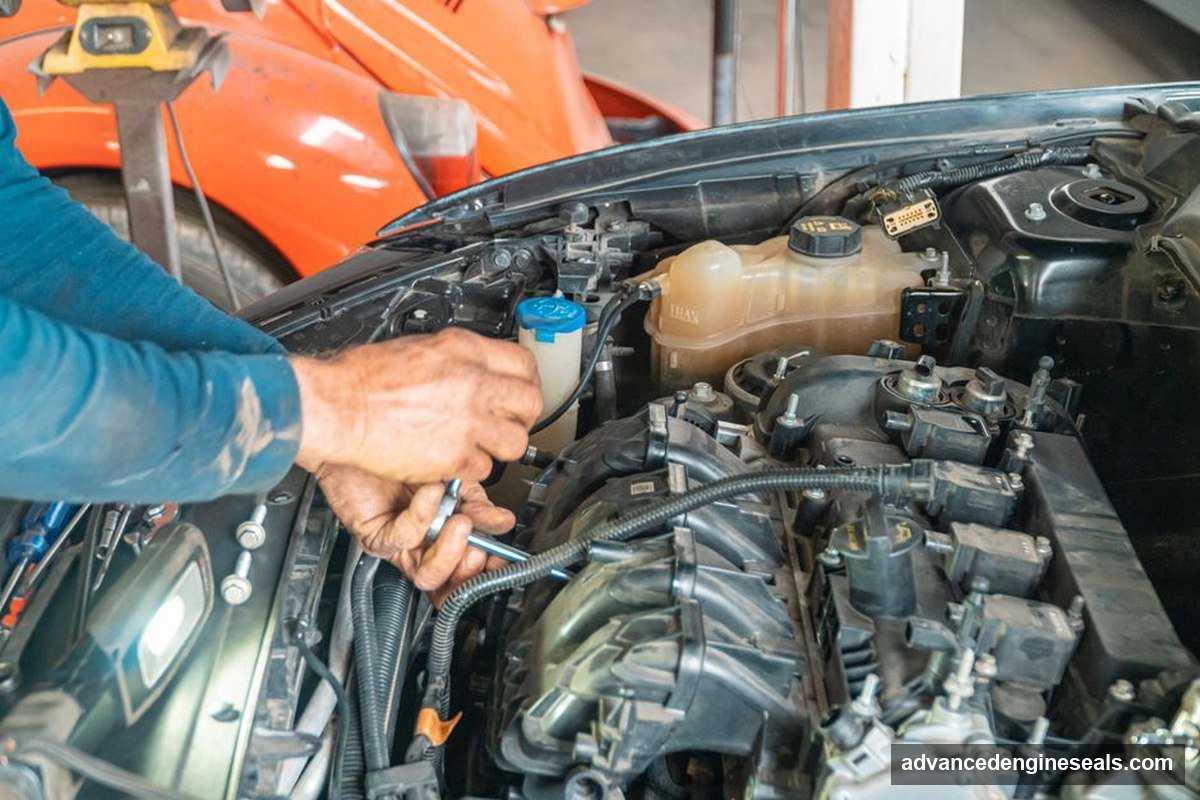
Torque tightening during Oil Pan Gasket Leak Symptoms repair
Frequently Asked Questions
Can I drive with a leaking oil pan gasket?
It depends. If it’s just a “seep” (meaning the surface is damp but no oil is actively dripping), you can usually drive it for a while, but check your oil every single time you fill up for gas. If it is an active drip or a spray, do not drive the car. You risk running the engine dry.
Why does my oil pan keep leaking even after I replaced the gasket?
It usually comes down to one of three things. First, the surfaces weren’t cleaned perfectly—even a tiny speck of old gasket will ruin the seal. Second, the bolts weren’t torqued correctly (either too loose or, more likely, too tight, which crushes the gasket). Third, if the engine has seen a lot of heat, the metal might be slightly warped, making a flat seal difficult.
Is it better to use RTV or a rubber gasket?
You should always use what the manufacturer intended. If your engine was designed for a rubber gasket, use a rubber gasket. If it was designed for RTV, use RTV. Modern engines are built with very specific tolerances, and trying to “upgrade” the sealing method often causes more problems than it solves.
How can I tell if the leak is the oil pan or the rear main seal?
Look at where the oil is coming from. The oil pan is at the very bottom of the engine. The rear main seal is much higher up, right where the engine meets the transmission. If the oil is running down the bell housing, it’s the rear main seal.
Does an oil pan leak affect my oil pressure?
A small leak won’t change your pressure immediately, but it will lower your total oil volume. As the oil level gets dangerously low, the oil pump can suck in air, which causes a sudden, massive drop in pressure. That is when the real damage happens.
For more information on how gaskets work and the science behind them, visit Wikipedia’s page on gaskets.
{
  "meta_title": "Oil Pan Gasket Leak Symptoms: Diagnosis, Cost & Repair Guide (2026)",
  "meta_description": "Spotting oil pan gasket leak symptoms early can save your engine. Learn how to diagnose, estimate repair costs, and fix the leak yourself with our expert guide.",
  "slug": "oil-pan-gasket-leak-symptoms-diagnosis-repair",
  "primary_keyword": "Oil Pan Gasket Leak Symptoms"
}