Oil Filter Housing Gasket Leak: Symptoms, Diagnosis & Replacement Guide (2026)
An article about “Oil Filter Housing Gasket Leak: Symptoms, Diagnosis & Replacement Guide (2026).
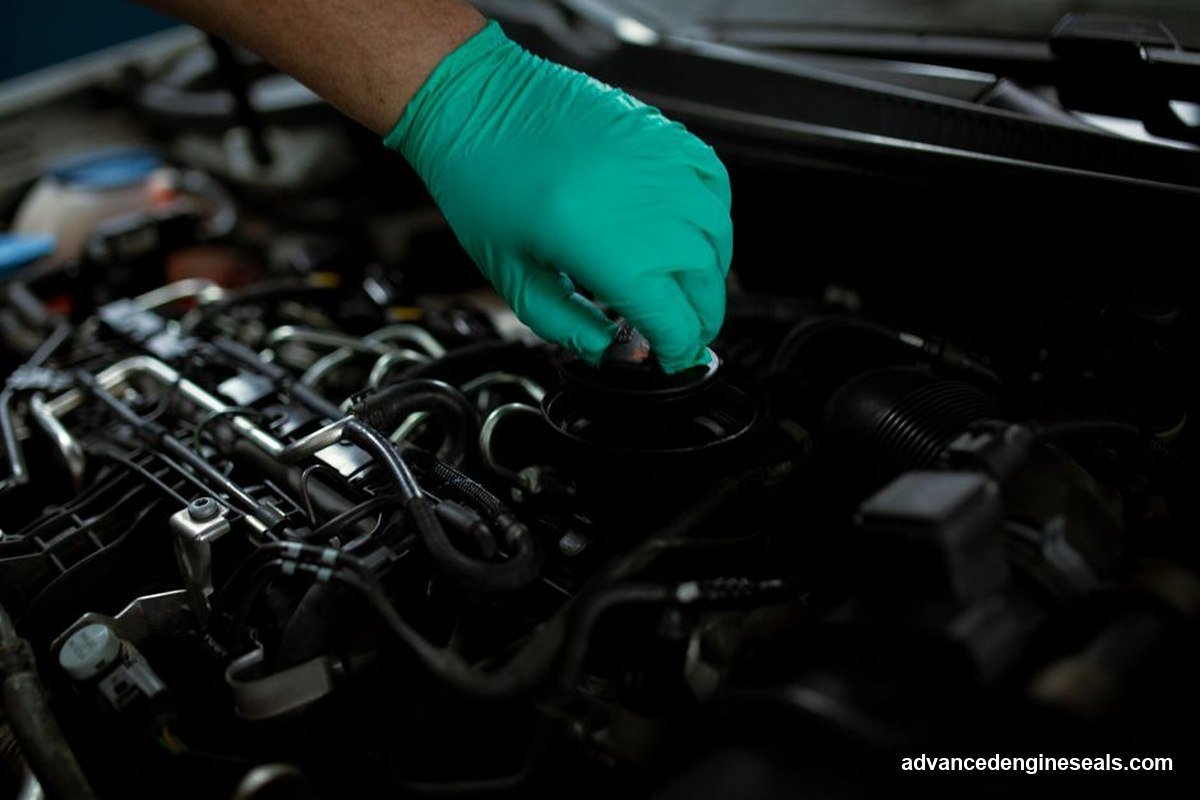
Oil Filter Housing Gasket Leak: Symptoms, Diagnosis & Replacement Guide (2026)
You walk into your garage, maybe after a long day, and there it is—that telltale, dark, oily sheen pooling near the front of your engine. Or maybe you’re out on a Sunday drive, and suddenly you catch a whiff of something acrid, like something is burning. If you suspect you’ve got an oil filter housing gasket leak, you aren’t alone. I’ve seen this a thousand times in my shop. It is one of those common, frustrating issues that can turn from a small, messy nuisance into a massive, expensive headache if you don’t catch it early.
Now, I know what you’re thinking: “It’s just a little bit of oil, I’ll just keep topping it off.” I hear that all the time. But here is the real talk: the oil filter housing is a critical part of how your engine stays lubricated and stays cool. If that seal fails, you aren’t just dealing with a dirty engine; you could be looking at a fire hazard or even a dead engine. In this guide, I’m going to walk you through exactly what this part is, how to know if it’s failing, and how you can fix it yourself if you’ve got the tools.
What is the Oil Filter Housing Gasket?
Before we dive into the “how-to,” let’s talk about what this part actually is. Think of the oil filter housing as the “command center” for your engine’s oil. It’s the assembly that holds your oil filter in place and ensures that pressurized oil gets sent exactly where it needs to go—to your bearings, your camshafts, and your pistons.
In a lot of modern cars, especially the German ones like BMW, VW, or Audi, this housing is actually a pretty complex piece of engineering. Often, it’s integrated with an oil cooler, meaning it’s handling both oil and coolant at the same time. The gasket is the seal that sits between this housing and the engine block.
Because this part is constantly being blasted by hot oil and sitting right against the engine, it’s under a lot of stress. Every time you start your car, it gets hot; every time you turn it off, it cools down. This “thermal cycling” eventually makes the rubber or silicone in the gasket get brittle, hard, or just plain flat. Once it loses that “squish,” it can’t hold the pressure anymore, and boom—you have an oil filter housing gasket leak.
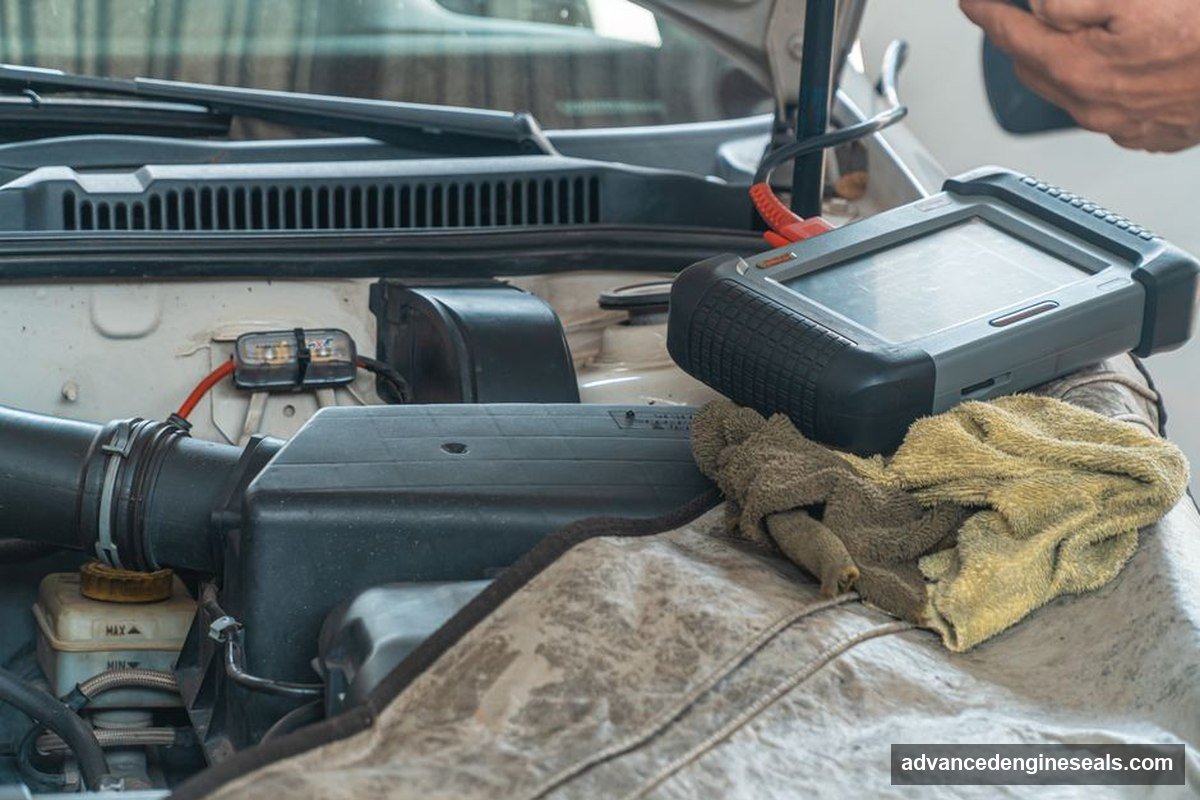
Identifying an Oil Filter Housing Gasket Leak (Symptoms)
The good news is that your car will usually try to tell you something is wrong. You don’t want to wait for a warning light to pop up on the dash, so keep an eye (and a nose) out for these red flags.
1. Visible Oil on the Engine Block
This is the most obvious one. If you look down at your engine and see oil “weeping” or seeping out from the area where the oil filter is located, that’s a massive hint. You might see it pooling on the engine block or even dripping down onto the splash guard.
2. The Smell of Burning Oil
This is a big one. Because the oil filter housing is often positioned near the exhaust manifold or other hot engine components, any oil that escapes doesn’t just stay on the engine. It drips onto the hot exhaust and starts to smoke. If you smell a pungent, burnt scent while driving or after you park, your engine might be “cooking” its own oil.
3. Oil Leaking into the Oil Fill Cap Area
Sometimes, the pressure from a failing gasket can cause oil to migrate upward. If you open your oil cap and see a thick, oily sludge around the rim, or if you see oil spraying around the top of the engine, it’s worth investigating the housing.
4. Low Oil Levels and Warning Lights
If the leak gets bad enough, you’ll start losing oil faster than you can replace it. You might notice your oil level dropping on the dipstick more often than usual. Eventually, this can trigger your oil pressure warning light.
Pro tip: If you see that oil pressure light come on while you’re driving, do not try to “make it home.” An oil filter housing gasket leak that leads to a drop in oil pressure can cause your engine to seize up in minutes. Pull over and shut it down immediately.
5. The “Milkshake” (Coolant Contamination)
On many engines where the housing also acts as an oil cooler, a failing gasket can allow oil to mix with your engine coolant. If you open your coolant reservoir and it looks like chocolate milk or a thick, creamy sludge, you have a serious problem. This is a sign that the seal between the oil and coolant passages has failed.
The Danger of Ignoring the Leak
I can’t stress this enough: don’t ignore this. I’ve seen guys try to save a few bucks by ignoring a small leak, only to end up paying for a whole new engine a year later. Here is why it’s dangerous:
- Fire Hazard: As I mentioned, oil dripping onto a red-hot exhaust manifold is a recipe for an engine bay fire. It might start as a little smoke, but it can turn into a real fire very quickly.
- Contamination: Oil can leak onto your serpentine belt. Once that belt gets soaked in oil, it starts to slip and degrade. If that belt snaps, you lose your alternator, your water pump, and your power steering all at once.
- Engine Damage: If the leak is severe enough to cause engine oil pressure loss, your moving parts won’t have the lubrication they need. This leads to metal-on-metal contact, which is the fastest way to kill an engine.
For more on how lubrication works and why it’s so vital, you can check out the technical info on oil filters via Wikipedia.
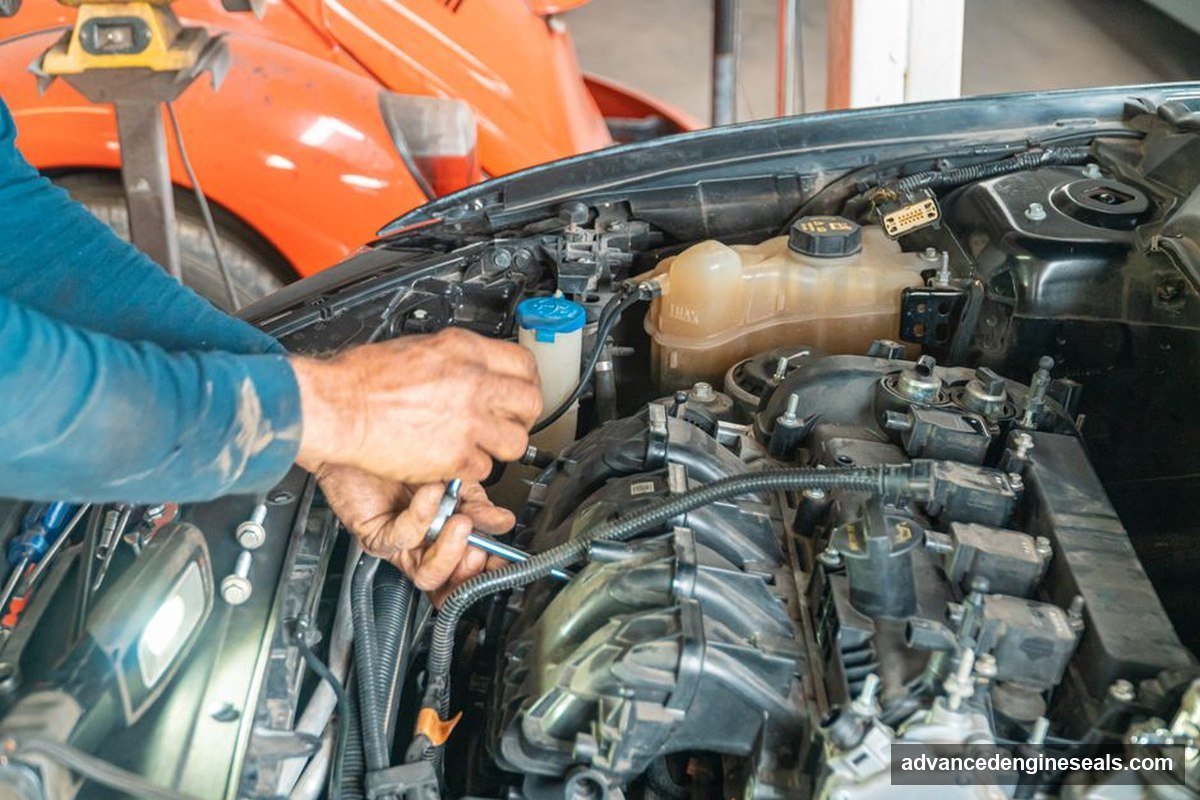
Diagnosis – Is it the OFHG or something else?
Before you start tearing things apart, you need to be 100% sure that the housing is the problem. It’s easy to see oil on the bottom of an engine and assume it’s coming from the oil pan, when it might actually be running down from the housing.
Step 1: The Clean-Down
The absolute best way to diagnose an oil filter housing gasket leak is to start with a clean engine. Use a decent degreaser or some brake cleaner and a rag to scrub the area around the oil filter and the housing until it is bone dry.
Step 2: The Visual Inspection
Once it’s clean, run the engine for a few minutes (or take it for a quick drive) and then get back under there with a bright flashlight. Look for where the “wet” oil is first appearing. If the oil is bubbling up from the seam where the housing meets the block, you’ve found your culprit.
Step 3: Comparing the Leaks
You need to make sure it isn’t something else.
* Valve Cover Gasket: This usually leaks from the very top of the engine.
* Oil Pan Gasket Leak Symptoms: Diagnosis, Replacement Cost & Repair Guide (2026)”>Oil Pan Gasket: This leaks from the very bottom.
* Rear Main Seal: This usually shows up where the engine meets the transmission.
If you’re still not sure, you might want to call in a professional who is certified by the ASE to do a formal inspection.
Replacement Guide (DIY Approach)
If you’re a DIYer and you’ve got some basic tools, you can definitely handle this. But I’m telling you now: this isn’t a “just slap it on” kind of job. It requires patience and precision.
Tools You’ll Need:
- A good socket set (mostly metric)
- A torque wrench (this is non-negotiable)
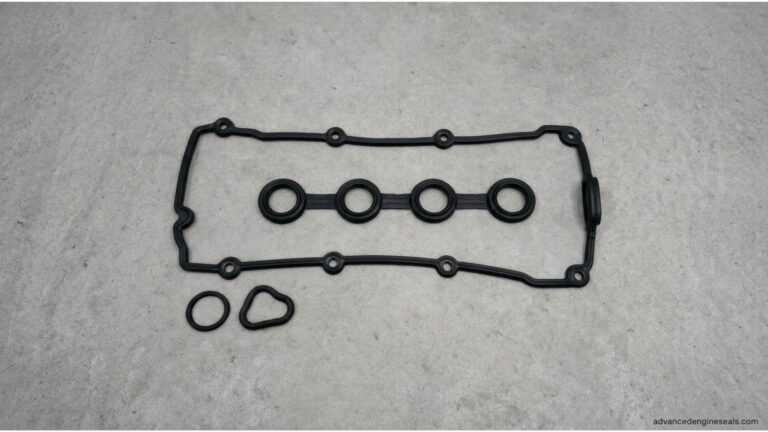
- New oil filter housing gasket kit
- Brake cleaner and some clean, lint-free rags
- New engine oil and a new oil filter
- A drain pan
The Step-by-Step Process:
- Drain the Oil: Before you touch the housing, drain your engine oil into a pan. You don’t want a massive mess when you pull that housing off.
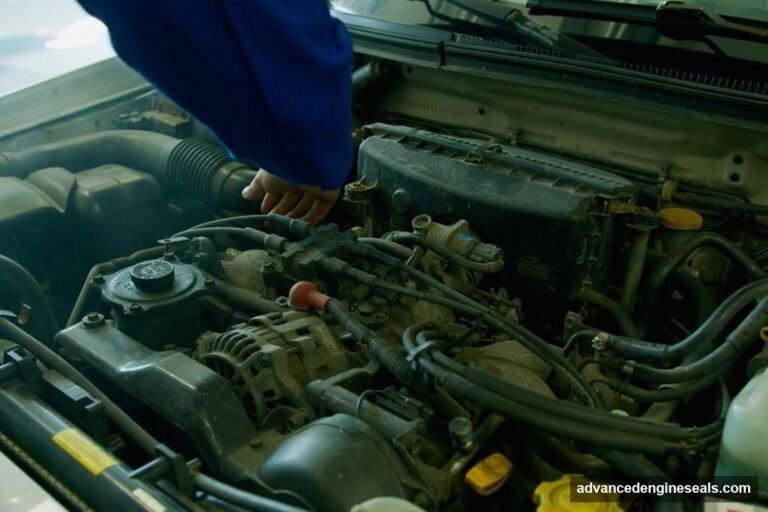
- Clear the Way: Depending on your car, you might have to move some things out of the way. This might mean removing the air intake box, some vacuum lines, or even the alternator. Take pictures as you go so you know how everything goes back together.
- Unbolt the Housing: Carefully remove the bolts holding the housing to the engine. Keep them in a small tray so you don’t lose them, and keep track of which bolt goes where, as they aren’t always the same length.
- Remove and Inspect: Gently pull the housing away. Now, take a good look at the mounting surfaces on both the housing and the engine block. They need to be perfectly smooth. If you see any old gasket material or scratches (scoring), you’ll need to clean those off very carefully.
- Clean Everything: Use your brake cleaner to make sure both surfaces are surgically clean. Even a tiny bit of leftover oil or grit can prevent the new gasket from sealing, and you’ll be right back where you started.
- Install the New Gasket: Lay your new gasket into the housing. Make sure it’s sitting perfectly flat and isn’t twisted.
- Reinstall and Torque: This is where people mess up. Put the housing back on and hand-tighten the bolts first. Then, use your torque wrench. Look up the exact torque specs for your specific engine.
Pro tip: Most oil filter housings are made of aluminum. Aluminum is a much softer metal than the steel bolts you’re using. If you “feel” like the bolt is tight and keep turning, you will strip the threads out of your engine block. If you strip those threads, you’re looking at a massive repair bill. Follow the torque specs exactly.
Cost Breakdown Table
If you’re deciding between doing it yourself or paying a shop, here is a rough idea of what you’re looking at.
| Item | DIY Estimate | Professional Shop Estimate |
|---|---|---|
| Parts (Gasket & Seals) | $30 – $80 | $80 – $150 |
| Oil & Filter | $40 – $60 | Included in Labor |
| Labor Time | 2 – 4 Hours | 2 – 5 Hours |
| Labor Cost | $0 | $300 – $700 |
| Total Estimated Cost | $70 – $140 | $380 – $850+ |
Note: These are just estimates. Depending on where you live and what kind of car you drive, these numbers can jump up quite a bit.
Top Recommended Replacement Brands & Products
Don’t be the person who buys a $5 “no-name” gasket from a random website. I’ve seen those fail after only a few thousand miles. When it comes to engine seals, you want quality.
### OEM (Original Equipment Manufacturer)
- Why it’s great: This is the exact part the engineers who built your car intended for it to use. It’s guaranteed to fit and is made of the right materials to handle your engine’s specific heat and oil. If you want to do the job once and never think about it again, go OEM.
### Victor Reinz
- Why it’s great: If you have a European car (BMW, Mercedes, VW), Victor Reinz is a legend. They are specialists in sealing technology and their gaskets are often just as good as, if not better than, the original parts.
### Fel-Pro
- Why it’s great: Fel-Pro is a household name for a reason. They make incredibly durable gaskets that are widely available at almost any auto parts store. They are a solid, reliable choice for most domestic and many import engines.
### Mahle
- Why it’s great: Mahle is a top-tier name in engine components. Their seals are engineered to much higher standards than generic aftermarket brands, making them a great middle-ground between OEM and standard aftermarket.
FAQs
How can I tell if my oil leak is the oil filter housing or the valve cover?
It’s all about location. The valve cover is at the very top of the engine. The oil filter housing is usually lower down, on the side or front of the engine block. If the oil is running down from the top of the engine, it’s likely the valve cover. If it’s coming from the housing itself, it’s the OFHG.
Can I just use RTV silicone to stop the leak?
In my professional opinion? No. I’ve seen people try this, and it almost always fails. RTV can squeeze out into your oil passages and cause clogs, and it just doesn’t hold up well to the constant pressure and heat in that area. Use a proper gasket.
Why is my new gasket leaking already?
If a new gasket fails right away, it’s usually one of three things: 1. The surfaces weren’t perfectly clean when you installed it. 2. The bolts weren’t torqued to the right spec (too loose or too tight). 3. The housing itself is warped or cracked.
Is an oil filter housing gasket leak an emergency?
If you see a massive puddle or your oil pressure light comes on, yes—it’s an emergency. Stop driving. If it’s just a tiny “weep” or a bit of smoke, it’s not an emergency, but you should plan to fix it very soon.
Does a leaking gasket affect my oil pressure?
A tiny leak won’t do much, but a significant oil filter housing gasket leak can absolutely cause a drop in oil pressure. If the oil can escape the housing, the pressure inside the engine can’t be maintained, and that is bad news for your engine’s health.
Wrapping things up, an oil filter housing gasket leak can be a real pain, but it’s nothing you can’t handle if you approach it the right way. Be clean, be precise with your torque wrench, and don’t cut corners on the quality of the gasket. Do it right the first time, and your engine will thank you for years to come.
{
  "meta": {
    "title": "Oil Filter Housing Gasket Leak: Symptoms, Diagnosis & Replacement Guide",
    "description": "Learn how to identify, diagnose, and fix an oil filter housing gasket leak. Expert mechanic tips on symptoms, costs, and DIY replacement.",
    "keywords": "oil filter housing gasket leak, oil filter housing gasket replacement, engine oil leak symptoms, OFHG symptoms, DIY engine oil repair, engine oil pressure loss"
  }
}

One Comment