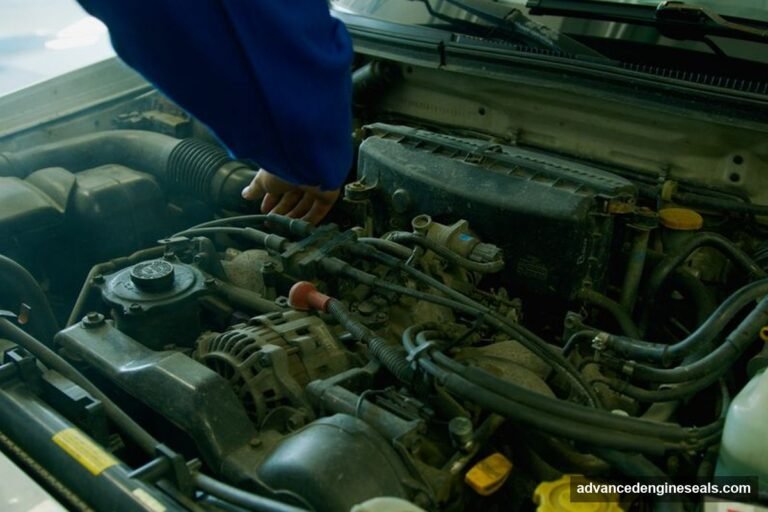
Exhaust Manifold Gasket Leak Symptoms, Diagnosis & Repair Guide (2026)
“Exhaust Manifold Oil Pan Gasket Leak Symptoms: Diagnosis, Replacement Cost & Repair Guide (2026)”
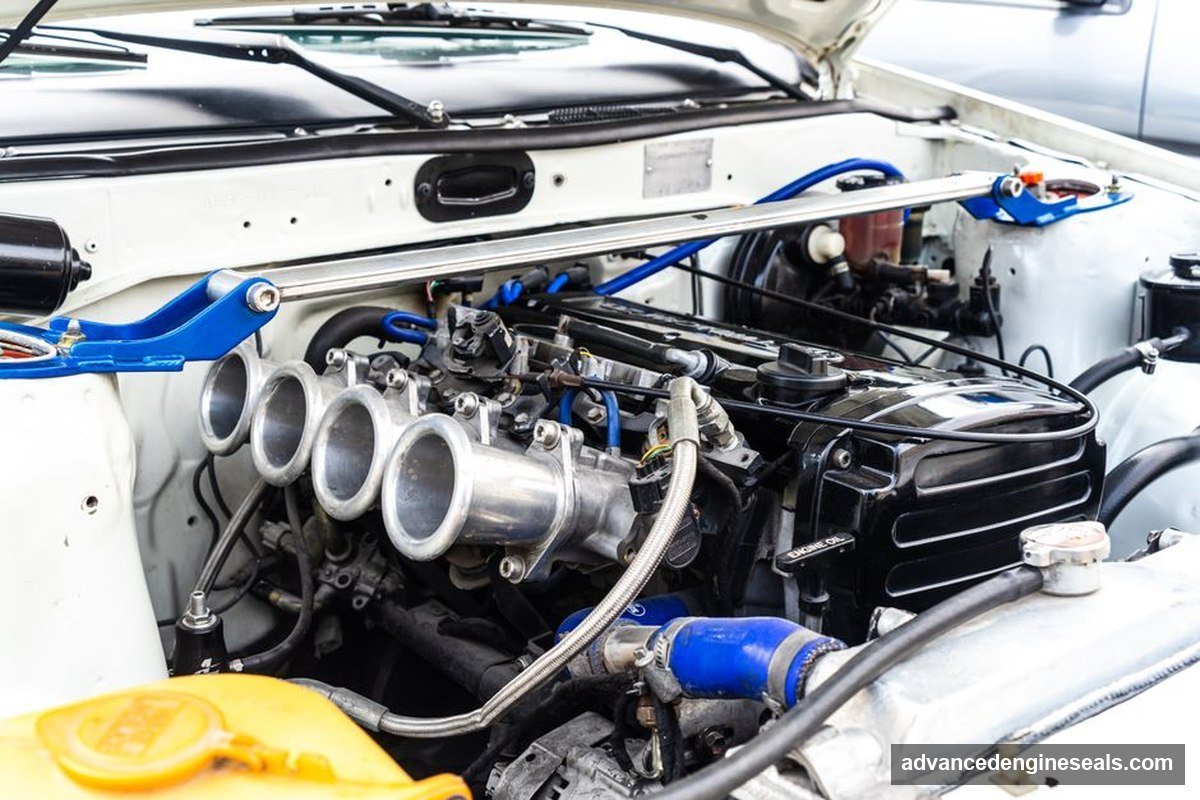
Exhaust Manifold Gasket Leak Symptoms, Diagnosis & Repair Guide (2026)
You’re cruising down the highway, maybe listening to a podcast or just enjoying the drive, when you hear it. A rhythmic, metallic tick-tick-tick-tick starts coming from under the hood. At first, you might think it’s just a loose piece of metal or a minor valve noise, but as you step on the gas, the sound gets faster and more aggressive. Maybe you also notice a weird, heavy smell—sort of like rotten eggs or raw exhaust—drifting through your AC vents.
If that sounds like your morning commute, don’t panic, but don’t ignore it either. What you’re likely dealing with is an exhaust manifold gasket leak.
I’ve spent years under the hood, and I can tell you that while a leaking gasket isn’t as “engine-killing” as a blown head gasket, it’s a problem that will grow. If you leave it alone, you’re looking at higher fuel bills, ruined sensors, and potentially some pretty nasty fumes entering your cabin. In this guide, I’m going to break down everything you need to know—from how to spot the leak to how to fix it yourself—in plain English.
What Exactly is an Exhaust Manifold Gasket?
Before we get into the “how-to,” let’s talk about what we’re actually looking at. Your engine works by burning fuel and air to create a small explosion in each cylinder. After that explosion, you’re left with spent gases. These gases need a way out, so they flow into a heavy metal component called the exhaust manifold.
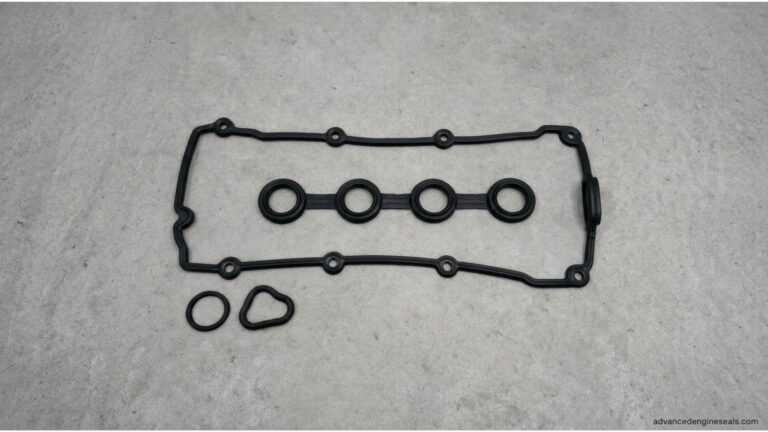
The manifold is bolted directly to the engine block. Now, because the engine block and the manifold are two separate pieces of metal, you need something to seal the gap between them so the gas doesn’t escape into the engine bay. That’s where the gasket comes in. It’s a specialized seal designed to sit in that tight sandwich and hold back incredibly high pressure and extreme heat. When that seal fails, you get a leak.
Symptoms of a Leak (The “Why am I reading this?” part)
How do you know for sure that it’s a gasket and not something else? Usually, your car will try to tell you through these four main signs:
1. That Annoying Ticking Sound
This is the number one giveaway. A leaking gasket creates a tiny, high-pressure jet of air that escapes every time a cylinder fires. This creates a sharp, rhythmic tapping or ticking sound.
Here is a little “mechanic’s secret”: pay attention to when it happens. If the ticking is loud when the engine is cold but disappears or gets much quieter once the car warms up, that is a classic sign of an exhaust manifold gasket leak. Why? Because as the engine gets hot, the metal expands, which can actually temporarily “plug” the hole in the gasket.
2. The Exhaust Smell
If you can smell exhaust inside the car, you have a problem. It might be a faint smell at first, but it usually gets worse. You might notice a sulfur smell (the “rotten egg” scent) or just the heavy, choking smell of gasoline fumes. If you’re driving and the smell gets stronger, it means the leak is likely near the firewall, and those fumes are being sucked right into your ventilation system.
3. Performance Loss and a Rough Idle
Your engine relies on a very specific “recipe” of air and fuel. When a gasket leaks, it lets “extra” air into the system. This confuses your car’s computer. The computer sees all this extra air and thinks, “Hey, I’m running too lean (not enough fuel)!” It then starts pumping in extra gas to compensate. This leads to a shaky, rough idle when you’re stopped at a red light and a general feeling that the car just isn’t as “peppy” as it used to be.
4. Dropping Fuel Economy
Since your engine’s computer is constantly trying to fix that “lean” condition by dumping more fuel into the cylinders, you’re going to notice your gas mileage taking a hit. If you feel like you’re visiting the gas station more often than usual, it’s worth checking that manifold.
Diagnosis (How to prove it)
Don’t start ripping things apart until you’ve confirmed the leak. Here is how I would approach it in my shop:
Visual Inspection (The Soot Test)
The easiest way to find a leak is to look for “soot trails.” Exhaust gas is full of carbon. If a gasket is leaking, you’ll often see a black, powdery residue or a dark stain around the edges of the manifold where it meets the engine. If you see black marks on the metal, you’ve almost certainly found your leak.
The Soapy Water Test
This is an old-school trick, but you have to be careful. Some people spray a mixture of soapy water around the manifold while the engine is running. If you see bubbles forming, you’ve found your leak.
Warning: I don’t recommend this for beginners. You are working around extremely hot parts, and spraying liquid on a hot engine can be dangerous.
The Smoke Test
If you want to be professional about it, use a smoke machine. You can inject a small amount of smoke into the exhaust system (usually through the tailpipe or a sensor port). You’ll be able to see exactly where the smoke is puffing out from the manifold. It’s much cleaner and safer than the soapy water method.
Using an OBD-II Scanner
If your Check Engine Light is on, go to an auto parts store or use your own scanner to check the codes. If you see codes like P0171 or P0174, those are “System Too Lean” codes. While these can be caused by vacuum leaks, they are very commonly caused by an exhaust leak.
Causes (Why did it fail?)
Why does a gasket just give up? It usually comes down to three things:
- Thermal Cycling: This is the big one. Your engine goes from freezing cold to hundreds of degrees in minutes. This causes the metal parts to expand and contract constantly. Over time, that “stretching” wears the gasket out.
- Corrosion and Rust: Exhaust gases are harsh. They are hot, moist, and slightly acidic. This can eat away at the gasket material or even the surface of the manifold itself.
- Loose or Broken Manifold Bolts: Sometimes the gasket is actually fine, but the bolts holding the manifold down have snapped or stretched. If the bolts lose their “clamp,” the gasket can’t do its job.
Repair Guide (The DIY part)
If you’re feeling brave and have some tools, you can do this yourself. But I’m telling you now: this isn’t a “quick” job. It requires patience.
Tools Needed:
- A good set of sockets (Metric and SAE)
- A breaker bar (for those stubborn, rusted bolts)
- Penetrating oil (like PB Blaster or Liquid Wrench)
- A torque wrench (Mandatory!)
- A wire brush or scraper
- New gasket and new manifold bolts
Step-by-Step Instructions:
- Soak the Bolts: This is the step most people skip, and it’s why they end up with a broken bolt. Spray every single manifold bolt with penetrating oil. Do this the night before you plan to work. If they are rusted, spray them again in the morning.
- Disassembly: Remove any parts that are in the way—heat shields, hoses, or wires. Then, slowly loosen the manifold bolts. If a bolt feels like it’s stuck or about to snap, stop. More oil, more time.
- The Cleaning Phase: Once the manifold is off, don’t just slap the new gasket on. You have to clean the mating surfaces on both the engine block and the manifold. Use a wire brush or a scraper to get every bit of old gasket material and black carbon off. If the surface isn’t perfectly smooth, the new gasket will leak almost immediately.
- Inspection: Check the manifold itself. If it’s warped (meaning it’s not perfectly flat), a new gasket might not save you. You might need to have the manifold resurfaced or replaced.
- Installation: Place the new gasket onto the block. Make sure it’s seated perfectly.
- Torquing (The Most Important Part): This is where the magic happens. You cannot just tighten the bolts as hard as you can. You must use a torque wrench and follow a specific torque pattern (usually a “spiral” pattern starting from the middle and moving out). If you tighten one side too much too fast, you can warp the manifold or snap a bolt.
Pro tip: Most modern engines use “stretch bolts” (also called Torque-to-Yield bolts). These are designed to be used once and then permanently deformed to hold a specific tension. Never reuse old manifold bolts. Always buy a new set of bolts with your gasket.
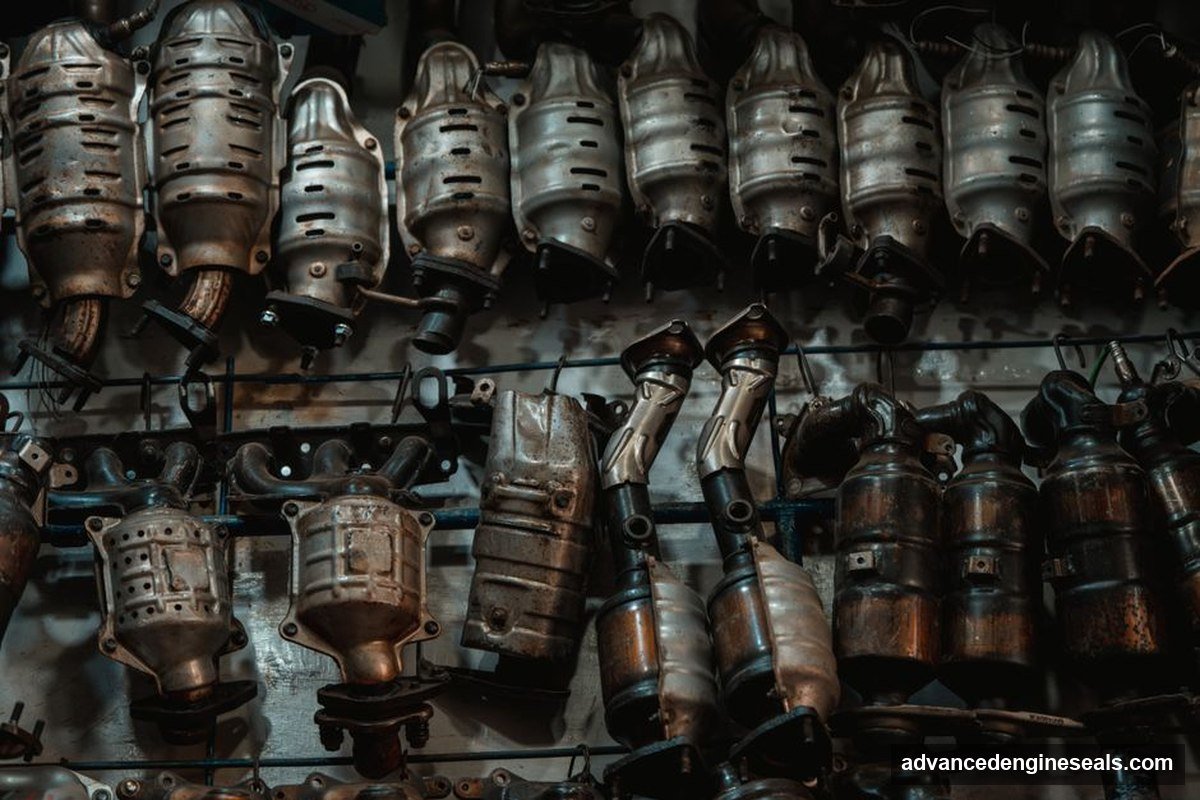
OEM vs Aftermarket
When you go to the parts store, you’ll see a huge range of prices. Here is the breakdown:
- OEM (Original Equipment Manufacturer): These are the parts made by your car’s manufacturer. They are the most expensive, but they are guaranteed to fit and perform exactly like the original. If you want to do the job once and never think about it again, go OEM.
- Aftermarket: These are made by third-party companies. They are cheaper and generally very good, provided you buy from a reputable brand.
- The “Cheap” Stuff: Avoid the absolute bottom-of-the-barrel gaskets. An exhaust gasket is a high-stress part. If you save $20 now, you might spend $500 in labor to fix it again in six months.
Cost Breakdown
| Aspect | DIY Approach | Professional Shop |
|---|---|---|
| Parts Cost | $40 – $120 | $40 – $120 |
| Labor Cost | $0 (Your time) | $300 – $800+ |
| Total Est. Cost | $40 – $120 | $340 – $920+ |
| Complexity | Moderate-High | Low (for you) |
Recommended Brands
If I were standing in your shoes, these are the brands I would trust:
### Fel-Pro Gasket Sets
- Why they stand out: Fel-Pro is a legend in the industry. Their gaskets are made from advanced materials that handle thermal expansion better than almost anything else on the market.
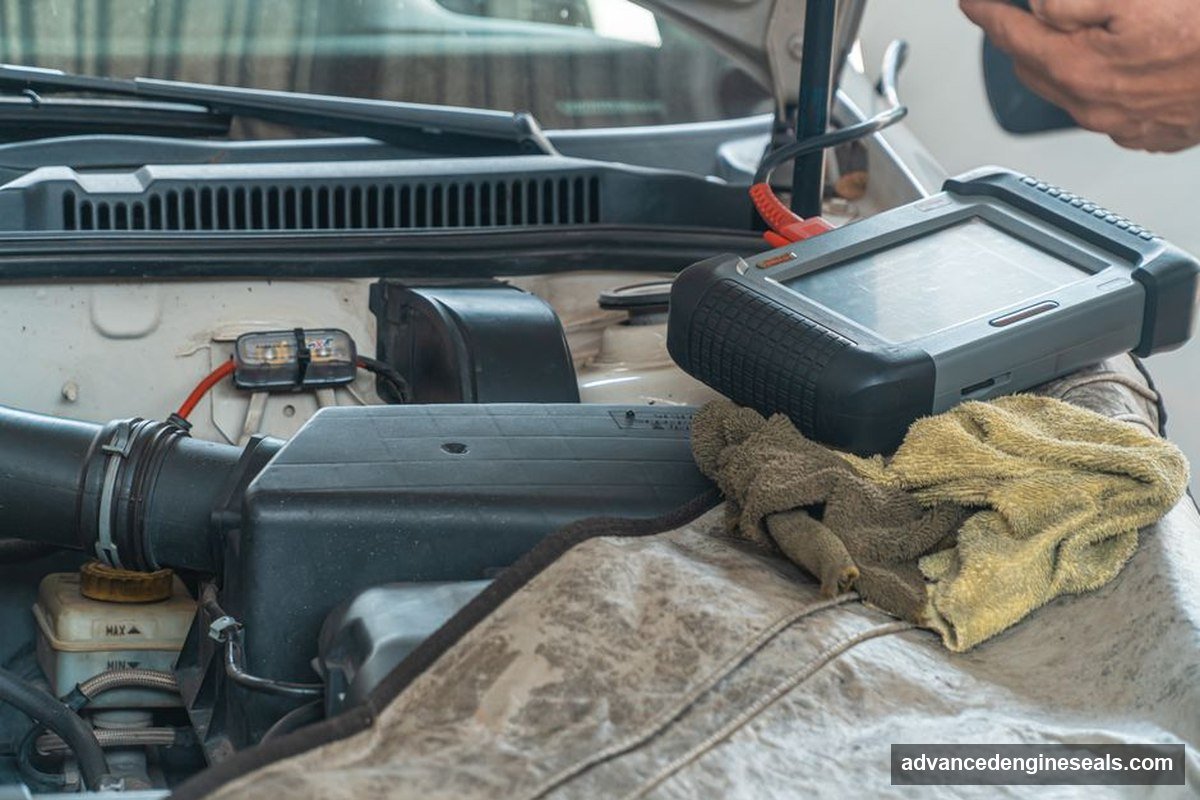
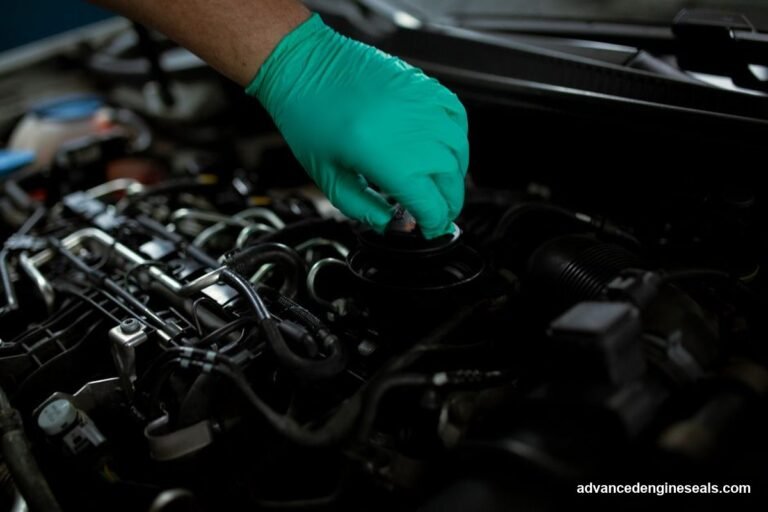
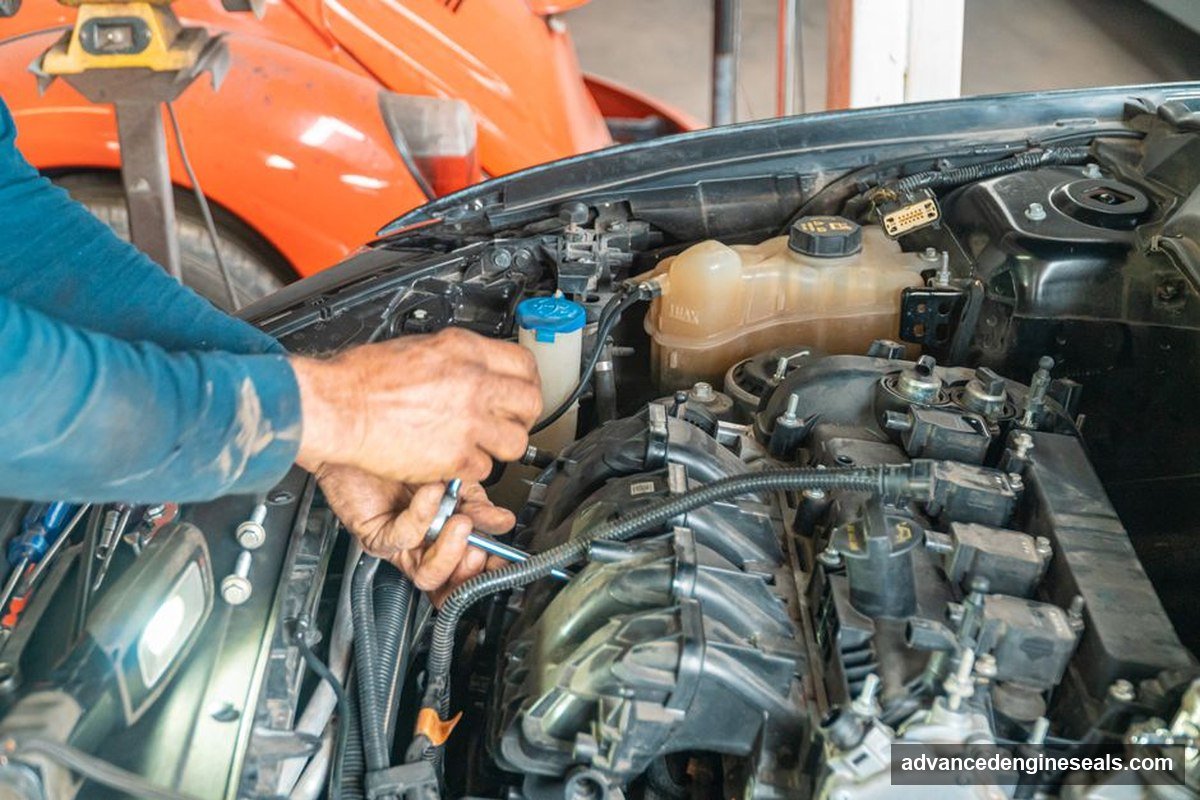
Inspecting engine for exhaust manifold gasket leak
### Victor Reinz
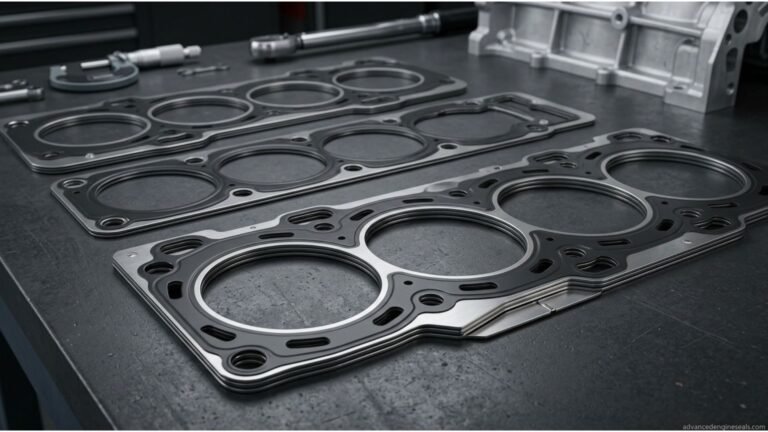
- Why they stand out: If you drive a European car (like a VW, BMW, or Audi), look for Victor Reinz. They specialize in high-quality Multi-Layer Steel (MLS) gaskets that are incredibly durable.

High performance seal and exhaust manifold gasket leak
### OEM Factory Kits
- Why they stand out: The absolute safest bet. You get the exact part the engineers intended for your specific engine.
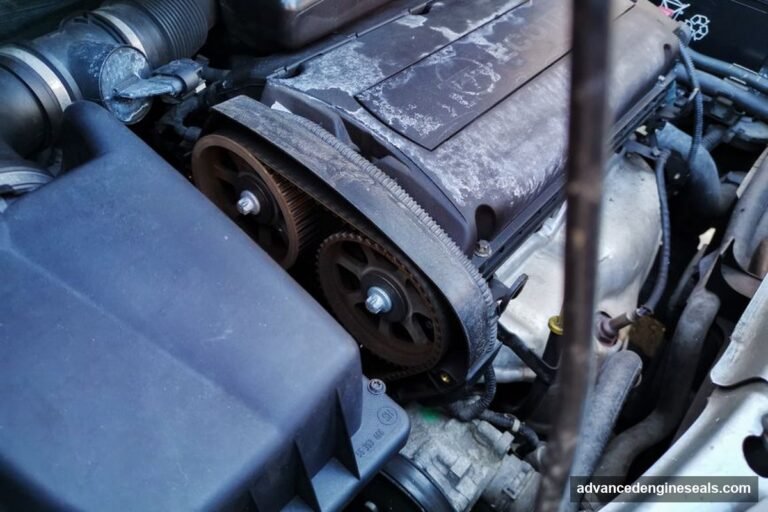
Torque tightening during exhaust manifold gasket leak repair
FAQ
How can I tell if my exhaust manifold gasket is leaking?
Listen for a ticking sound when the engine is cold, look for black soot marks around the manifold, or smell exhaust fumes inside the cabin. A “Lean” code on your scanner is also a huge hint.
Is a ticking sound from the engine always a gasket leak?
Not always. It could be a valve issue or a loose heat shield. But if the sound is rhythmic and changes when you accelerate, and you notice a smell, it’s very likely the gasket.
Can I use exhaust sealer to fix a leak?
You can, but it’s a temporary fix. Sealants often can’t handle the extreme heat and pressure of an exhaust manifold for very long. It’s better to just replace the gasket.
Why do exhaust manifold gaskets fail so often?
Mainly because of “thermal cycling”—the constant heating up and cooling down of the engine, which causes the metal to expand and contract until the gasket finally gives out.
Do I need to replace the manifold bolts too?
Yes. Most bolts become brittle from heat or are designed to be “one-time use” (stretch bolts). Replacing them ensures you have a solid, permanent seal.
Will an exhaust leak cause my Check Engine Light to come on?
Yes. A leak lets in extra air, which tricks the O2 sensors into thinking the engine is running “lean,” triggering error codes like P0171 or P0174.
{
  "primary_keyword": "exhaust manifold gasket leak",
  "secondary_keywords": ["Ticking sound", "exhaust smell", "manifold bolts", "gasket replacement", "diagnostic tests", "exhaust manifold repair"],
  "target_persona": "Friendly master auto mechanic",
  "word_count_target": "1800-2200"
}